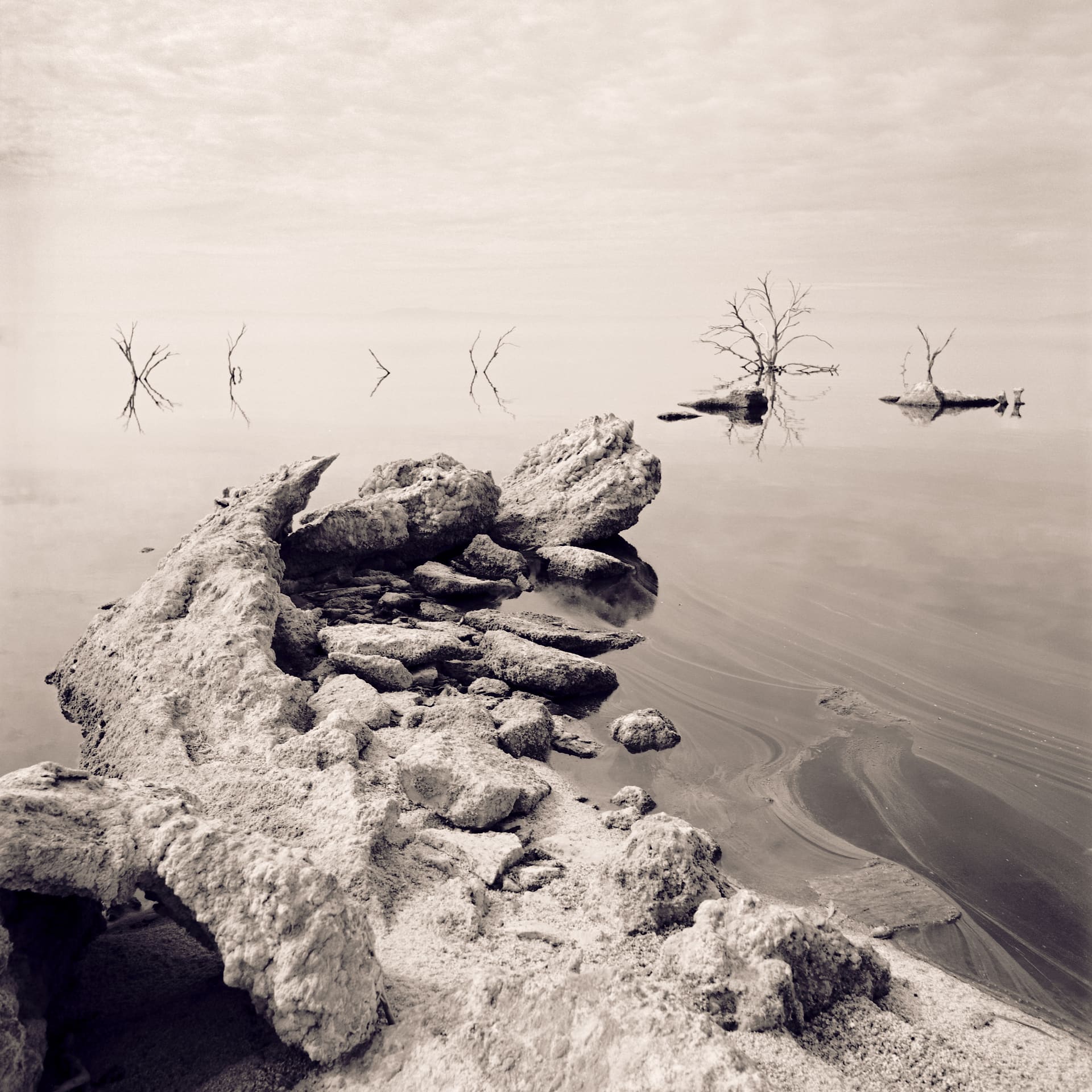
The Salton Sea
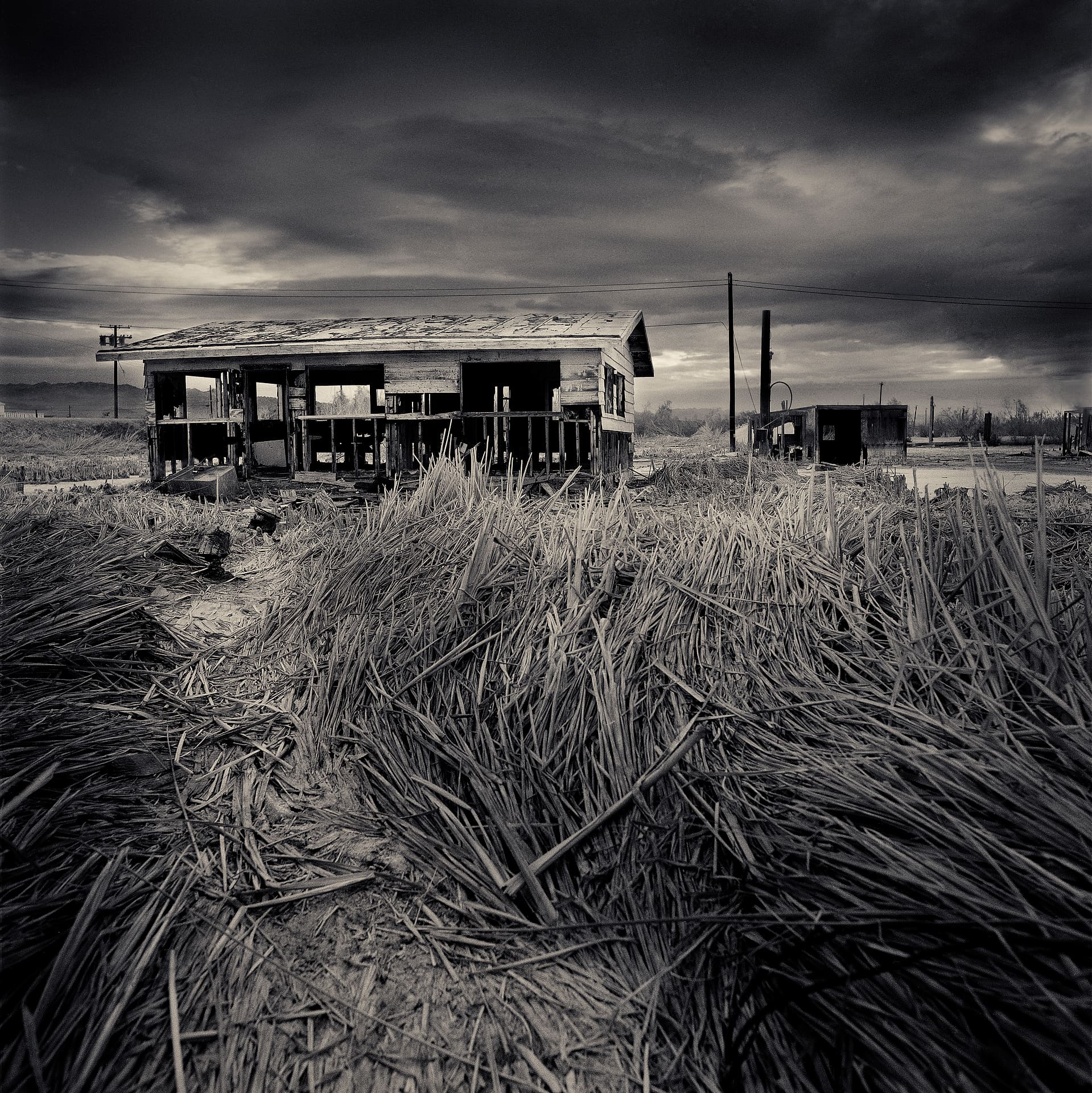
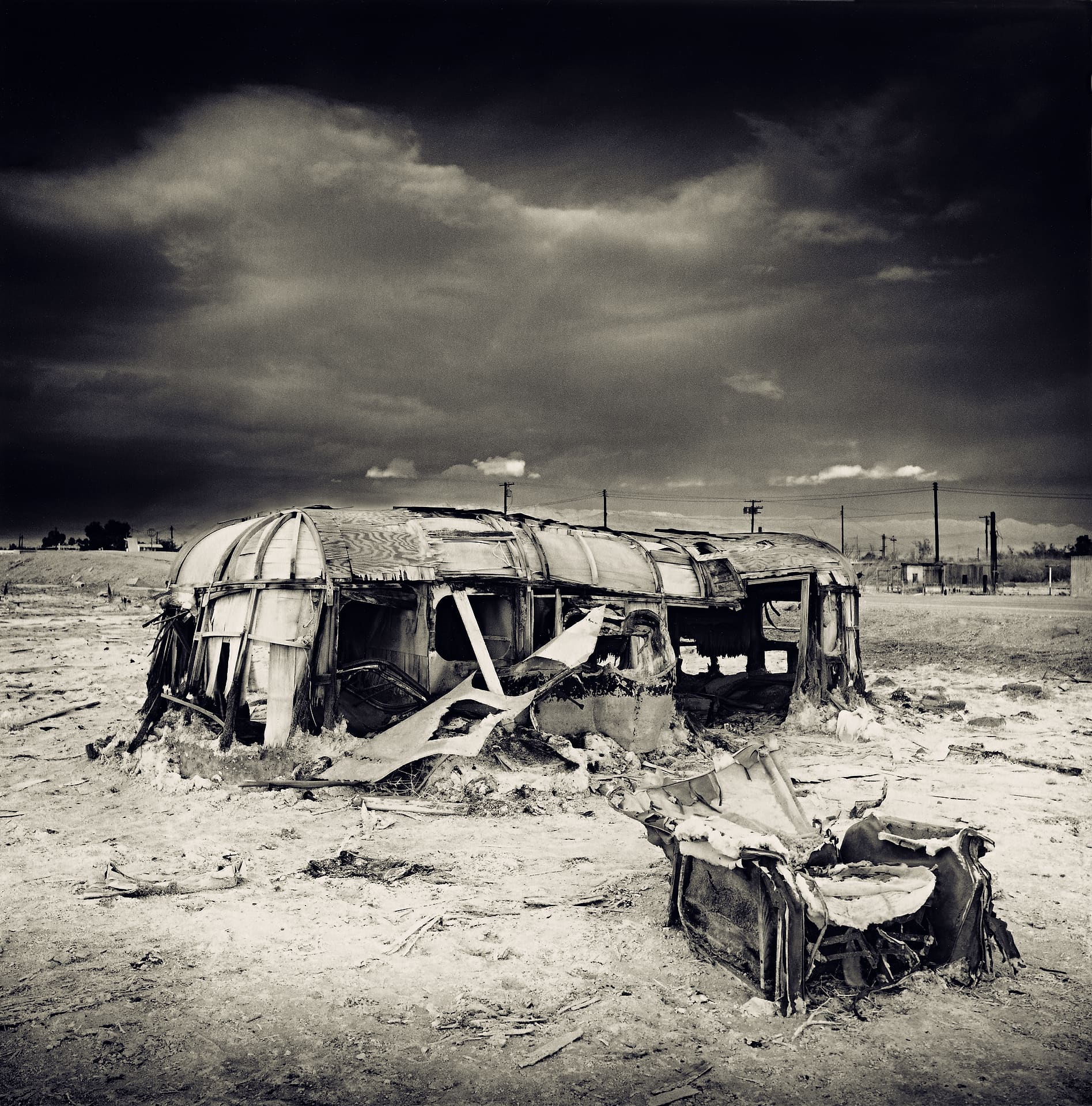
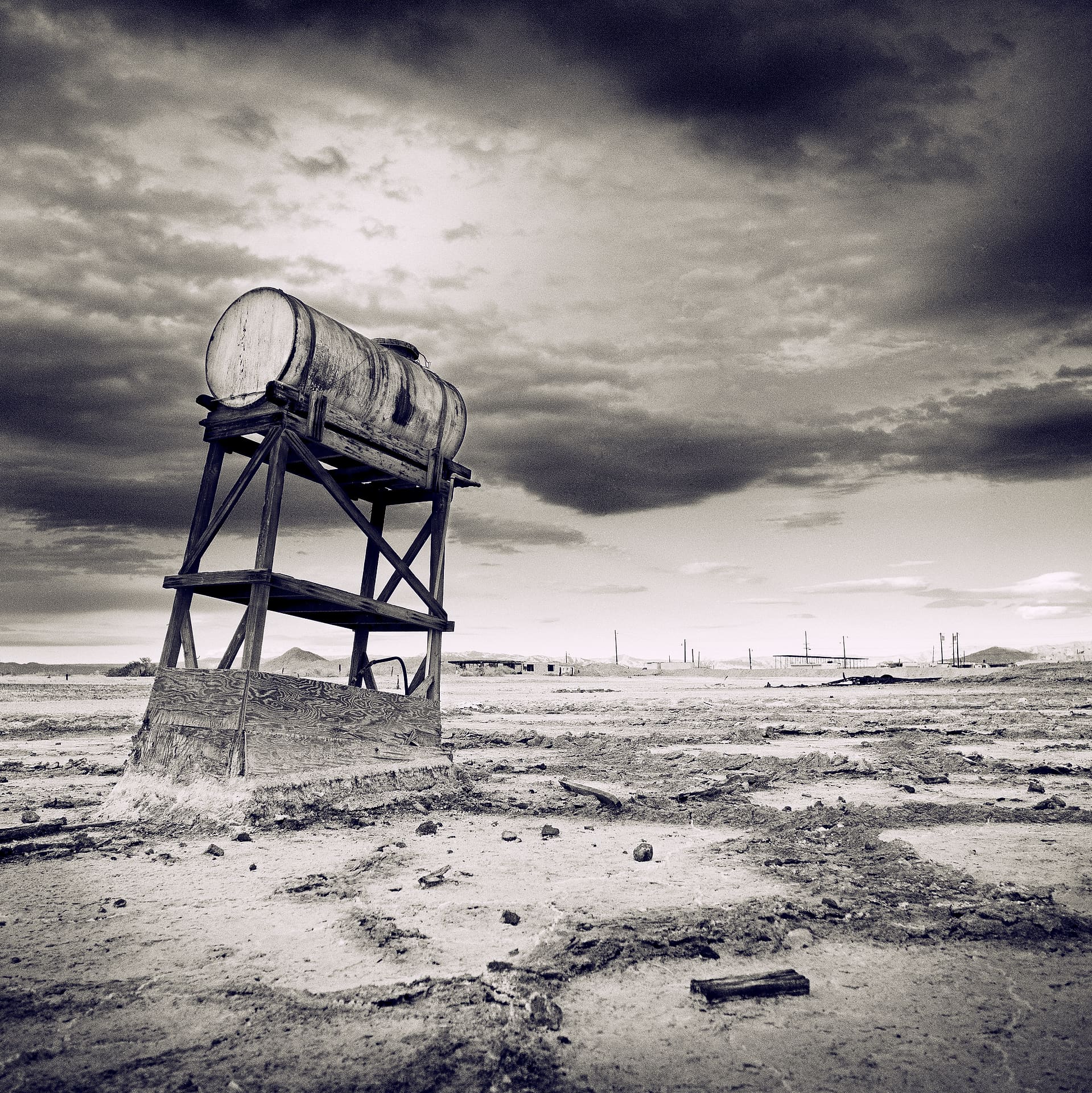
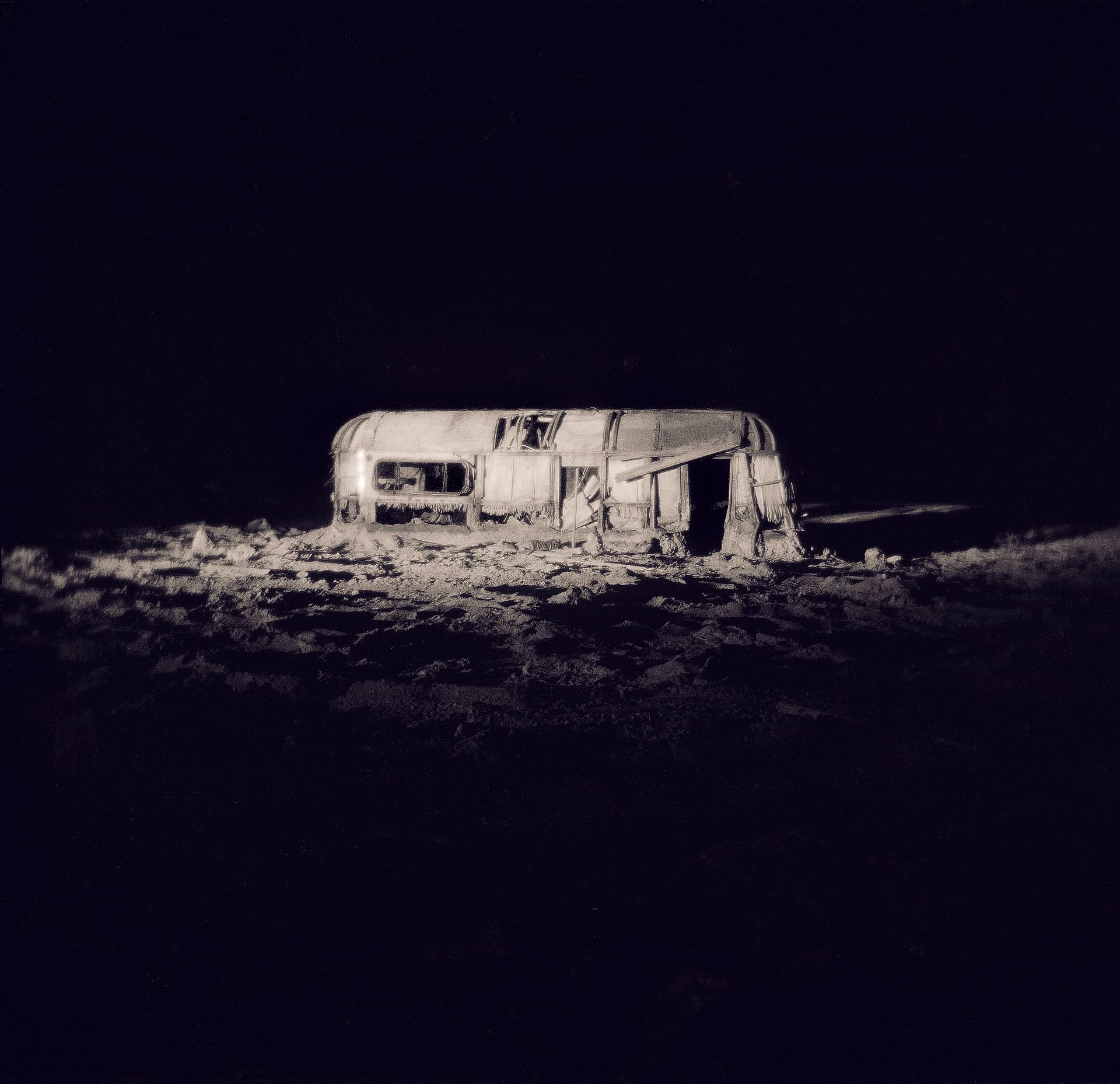
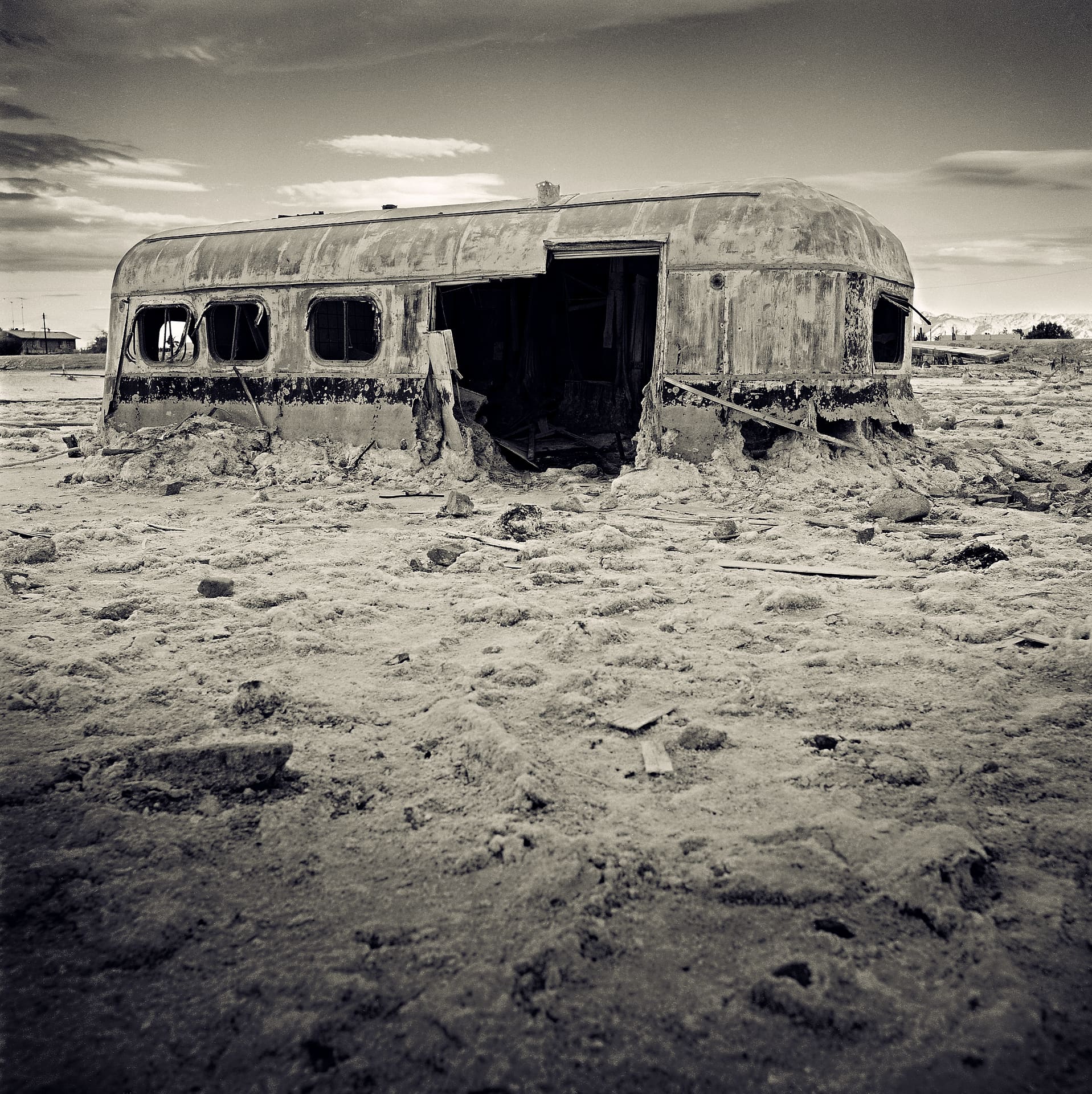
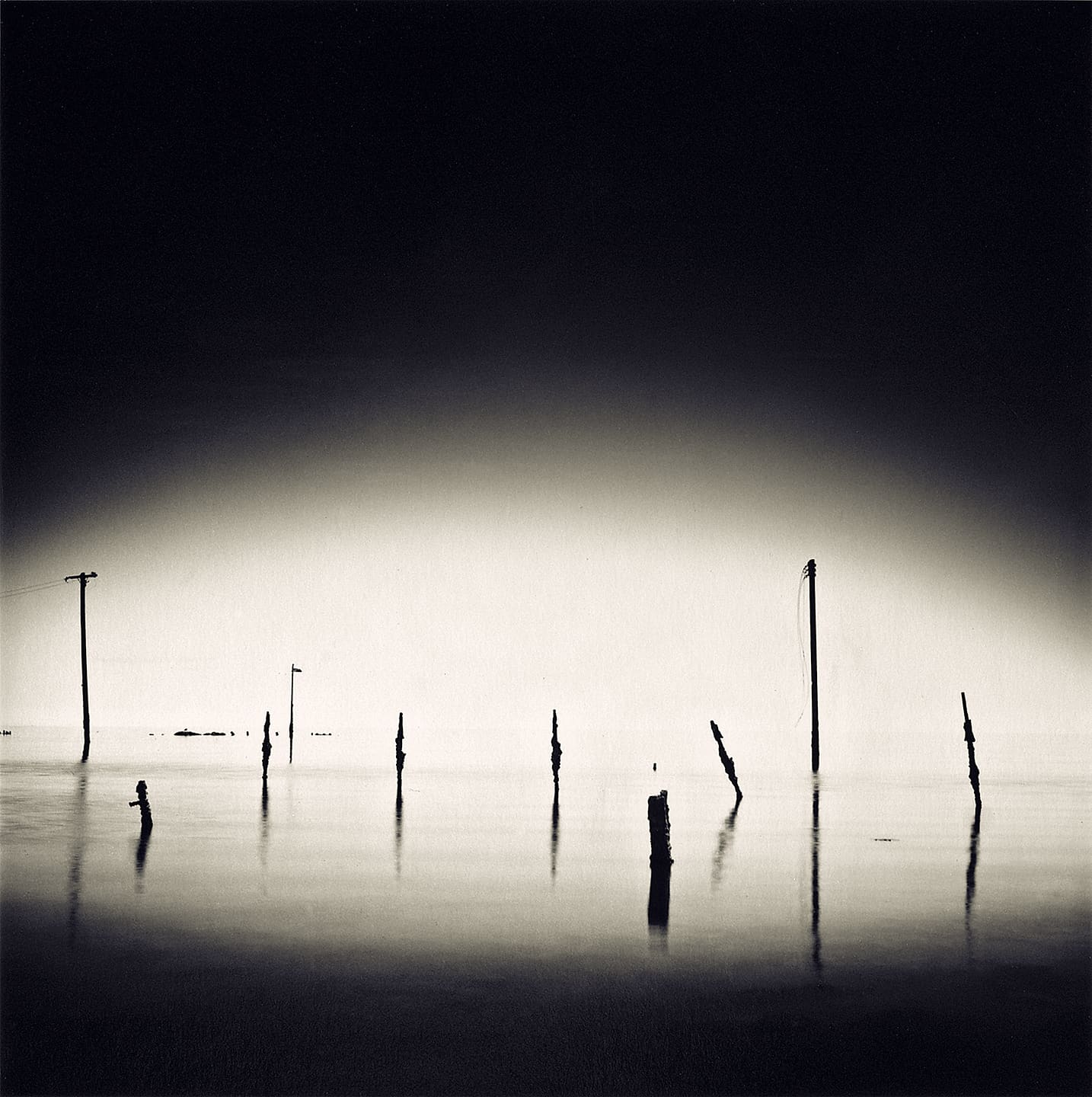
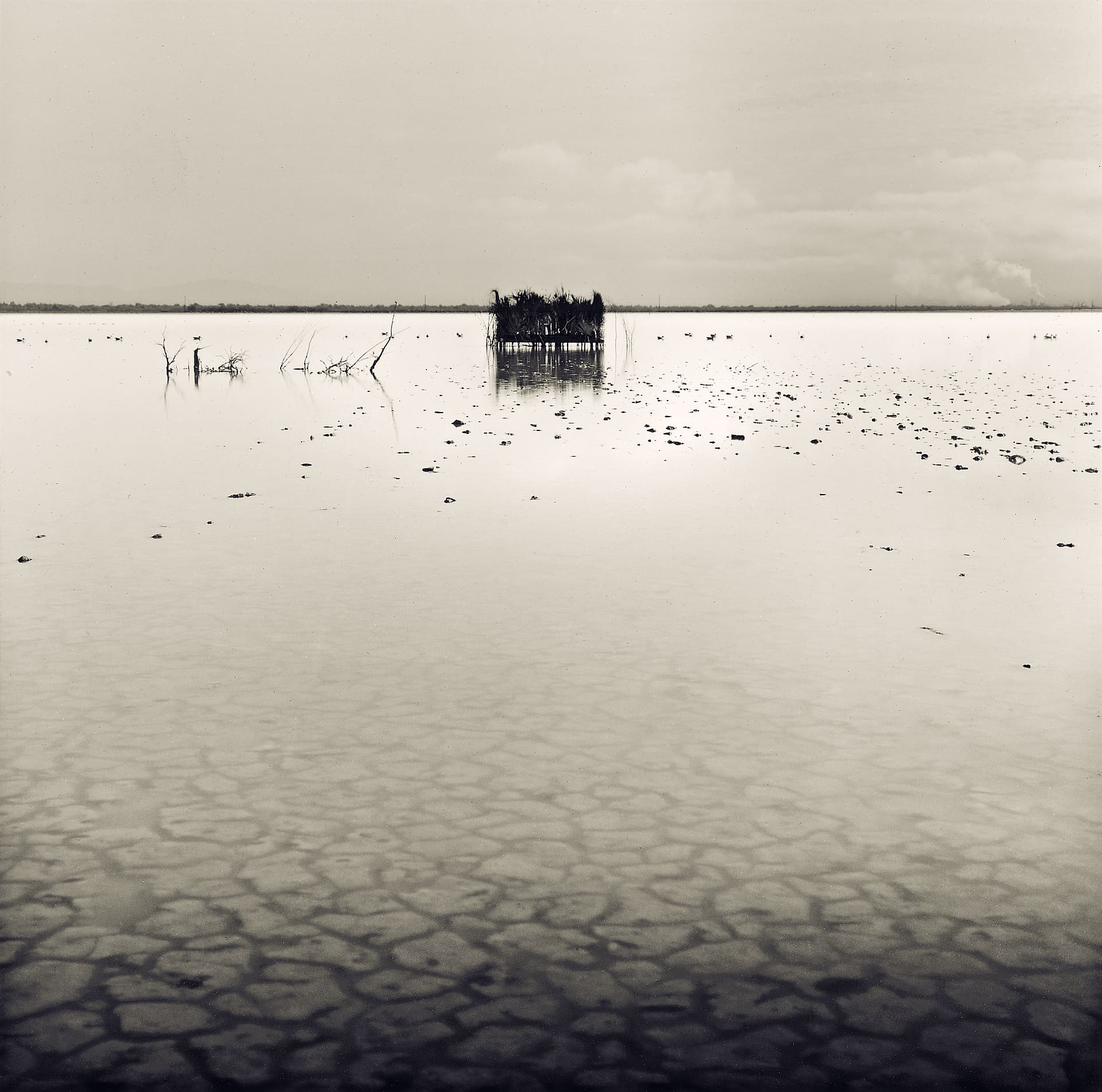
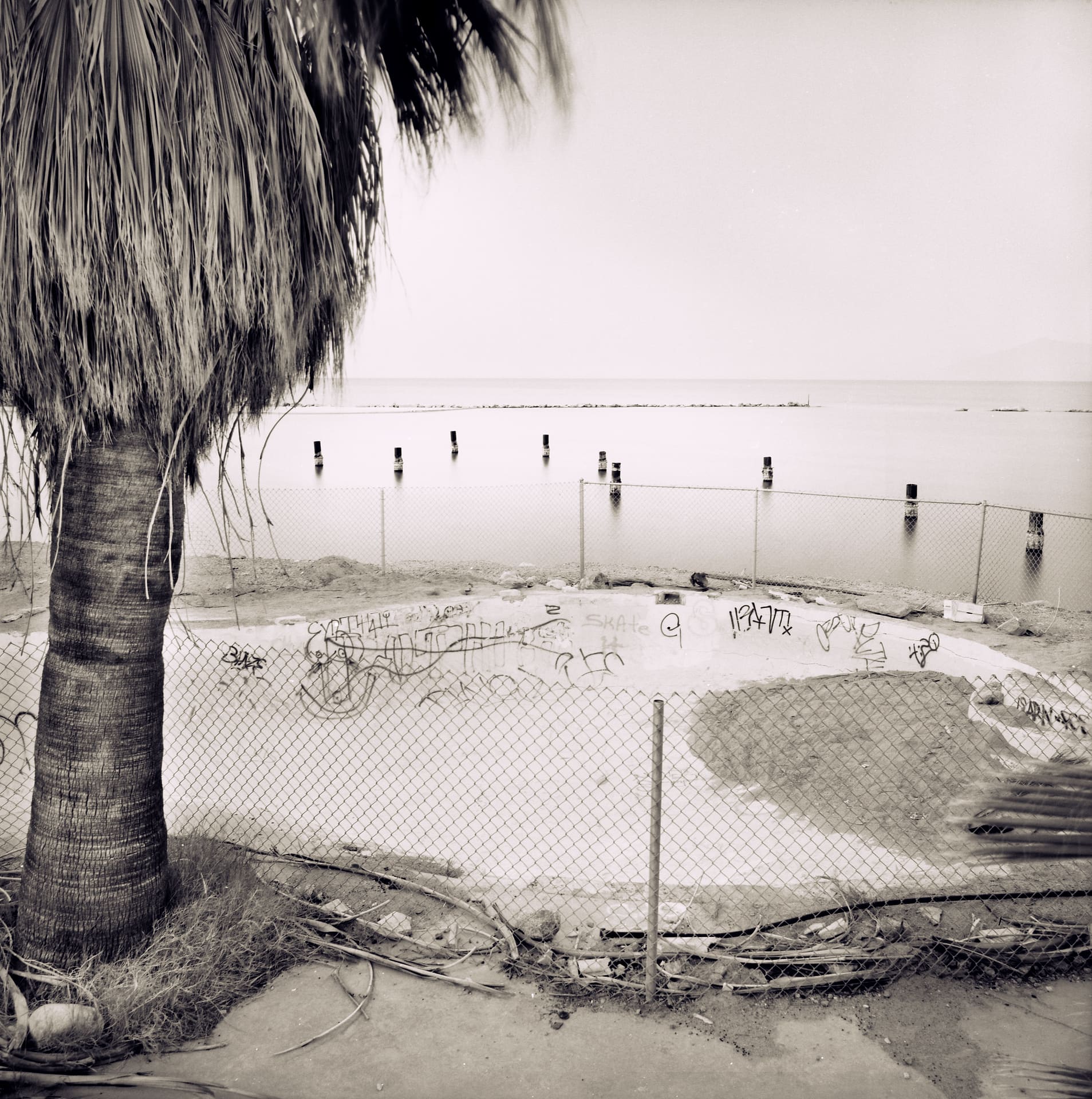
Living in a capitalist economy that exerts its dominance over nature on a regular basis, the Salton Sea has often been a personal refuge for me as a place that shirked land development attempts. The sea was formed in 1905 after an attempt to divert the Colorado River failed, causing one of the dams to break transfiguring the Salton Sink into the Salton Sea. Later in the 1920s as capitalism and the desire for recreational vacation spots grew, business opportunists began to develop the area into a tourist attraction marring its shore with resorts, marinas and other tourist attractions. The area became a profitable development and during the next few years more people visited the Salton Sea than visited Yosemite. In the 1950s and 60s, however, the sea flooded again, reclaiming itself by destroying the buildings clustered around its shore. This, coupled with a large outbreak of bird botulism, established the Salton Sea as an undesirable location for a tourist market. Since then the sea has been unsuccessful in attracting any consumer-driven tourism and has become a home and sanctuary for a variety of “desert dwellers” that find solace in experiencing what the sea naturally offers.
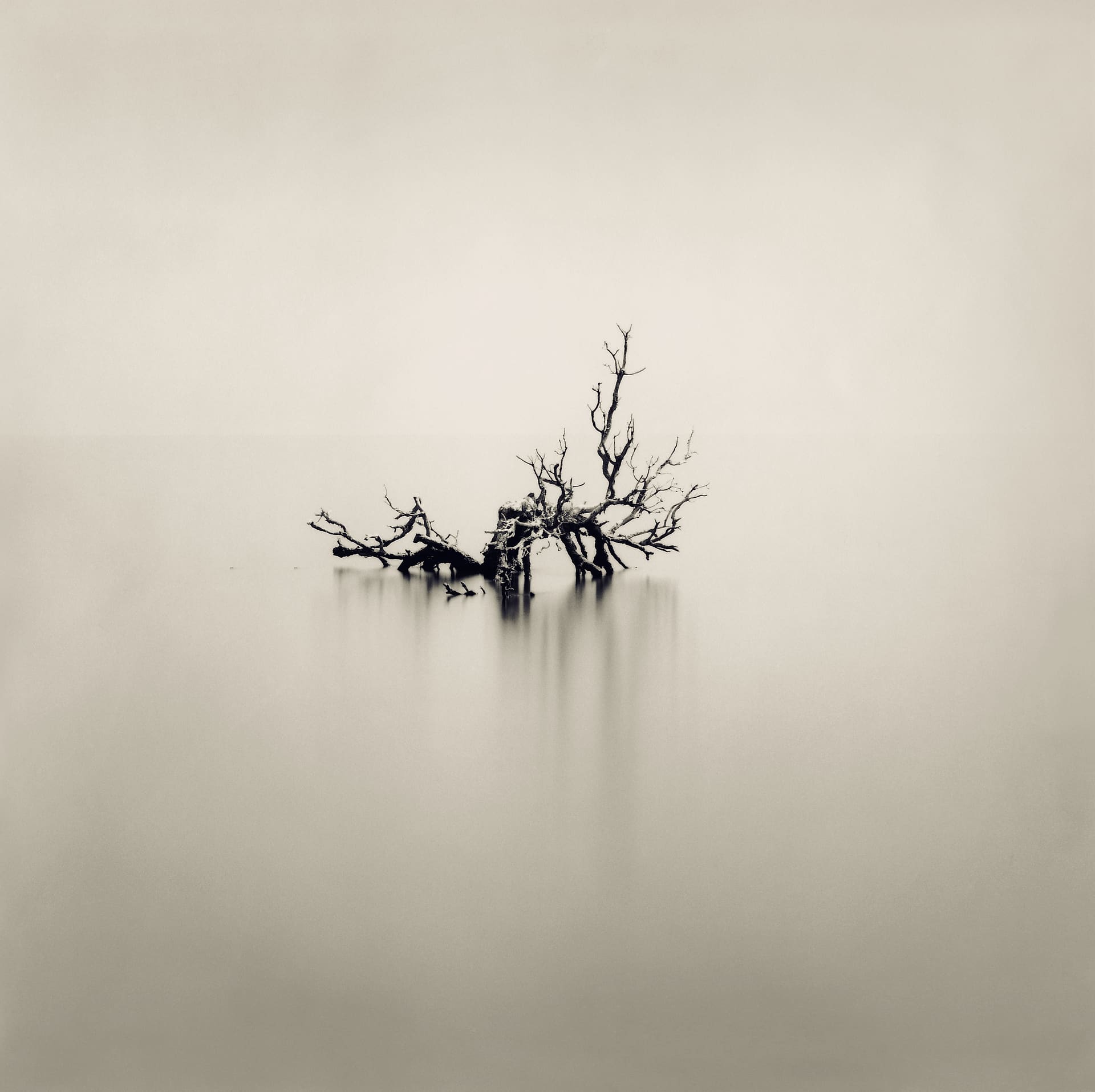
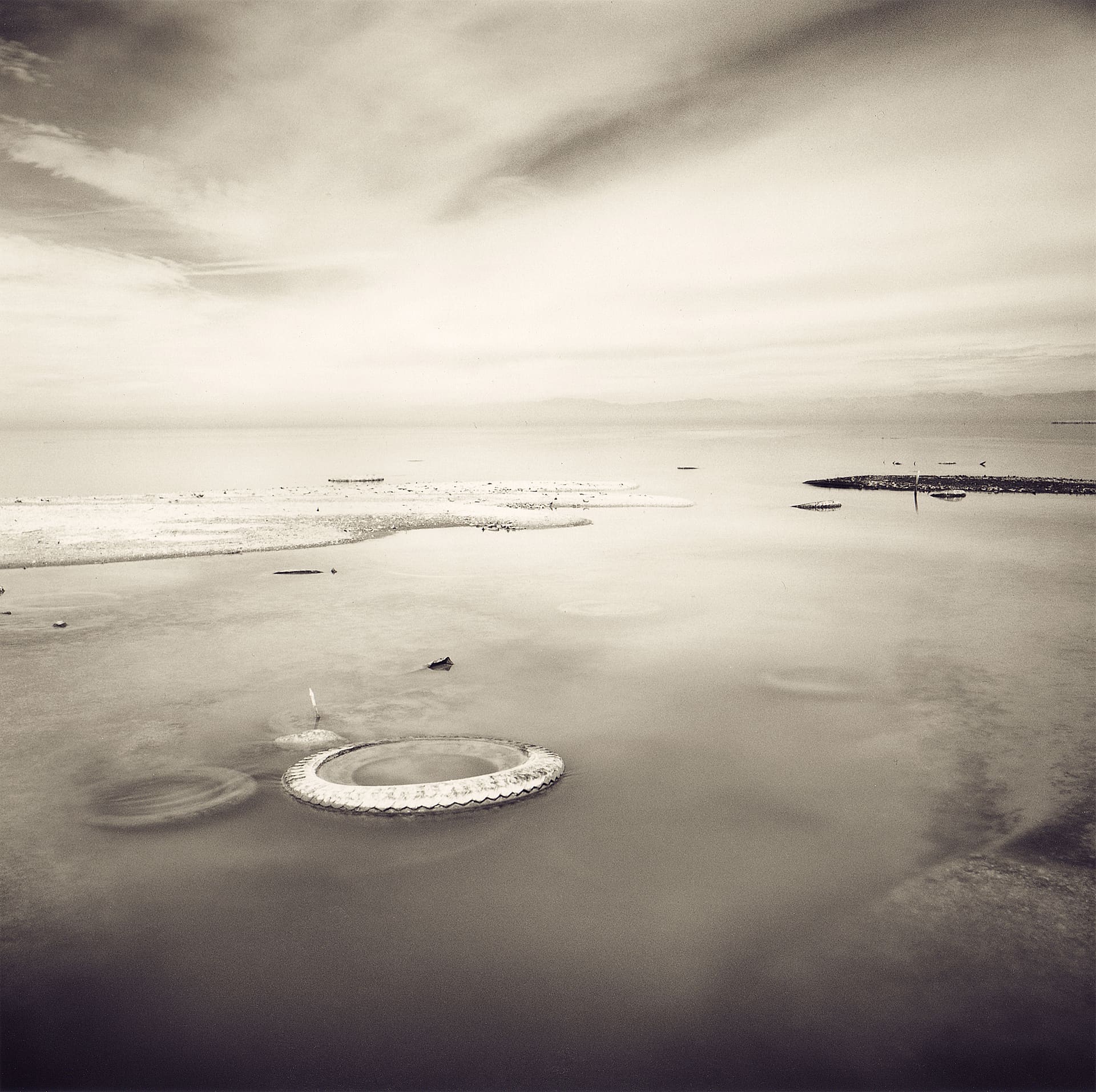
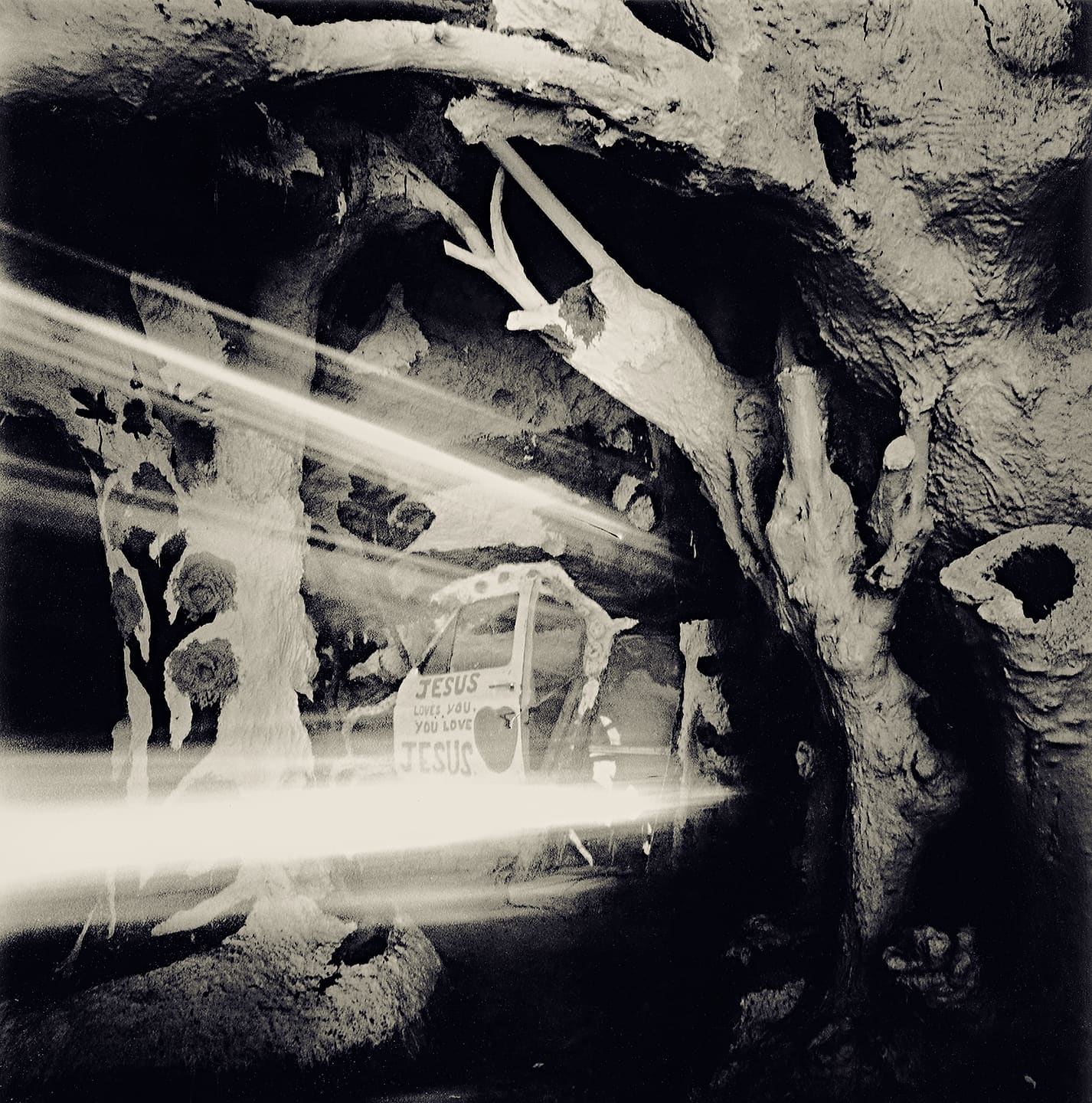
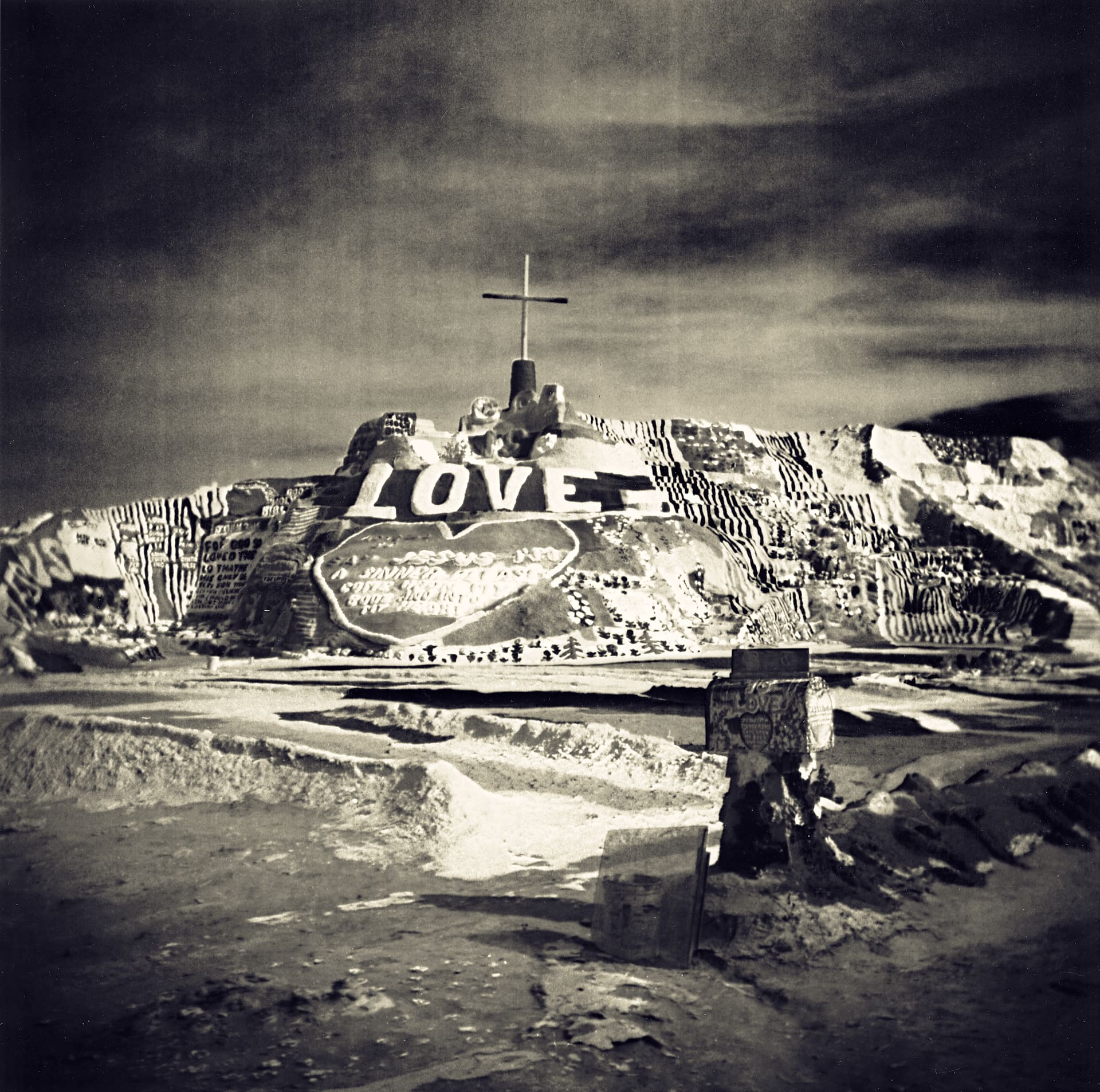
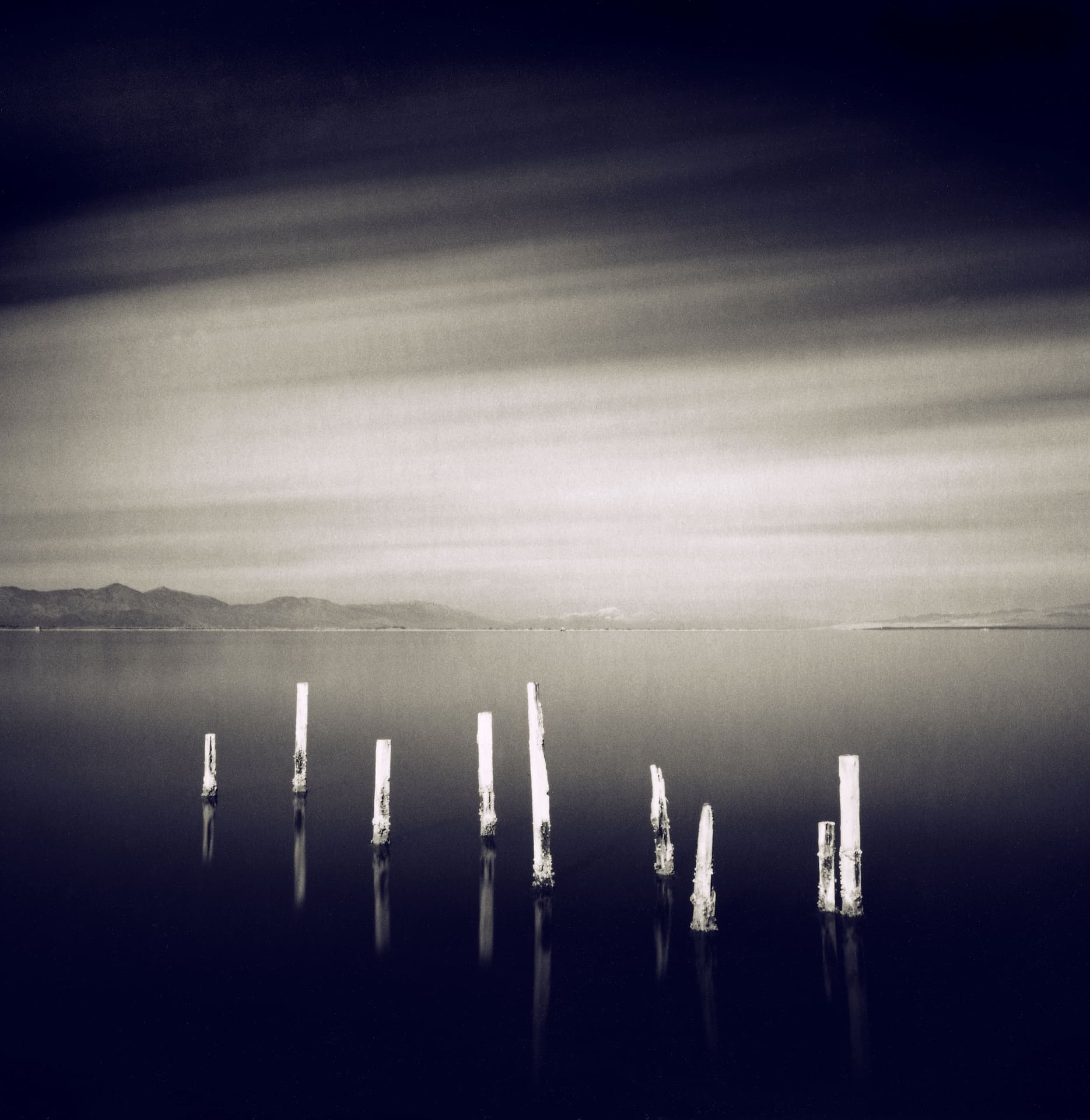
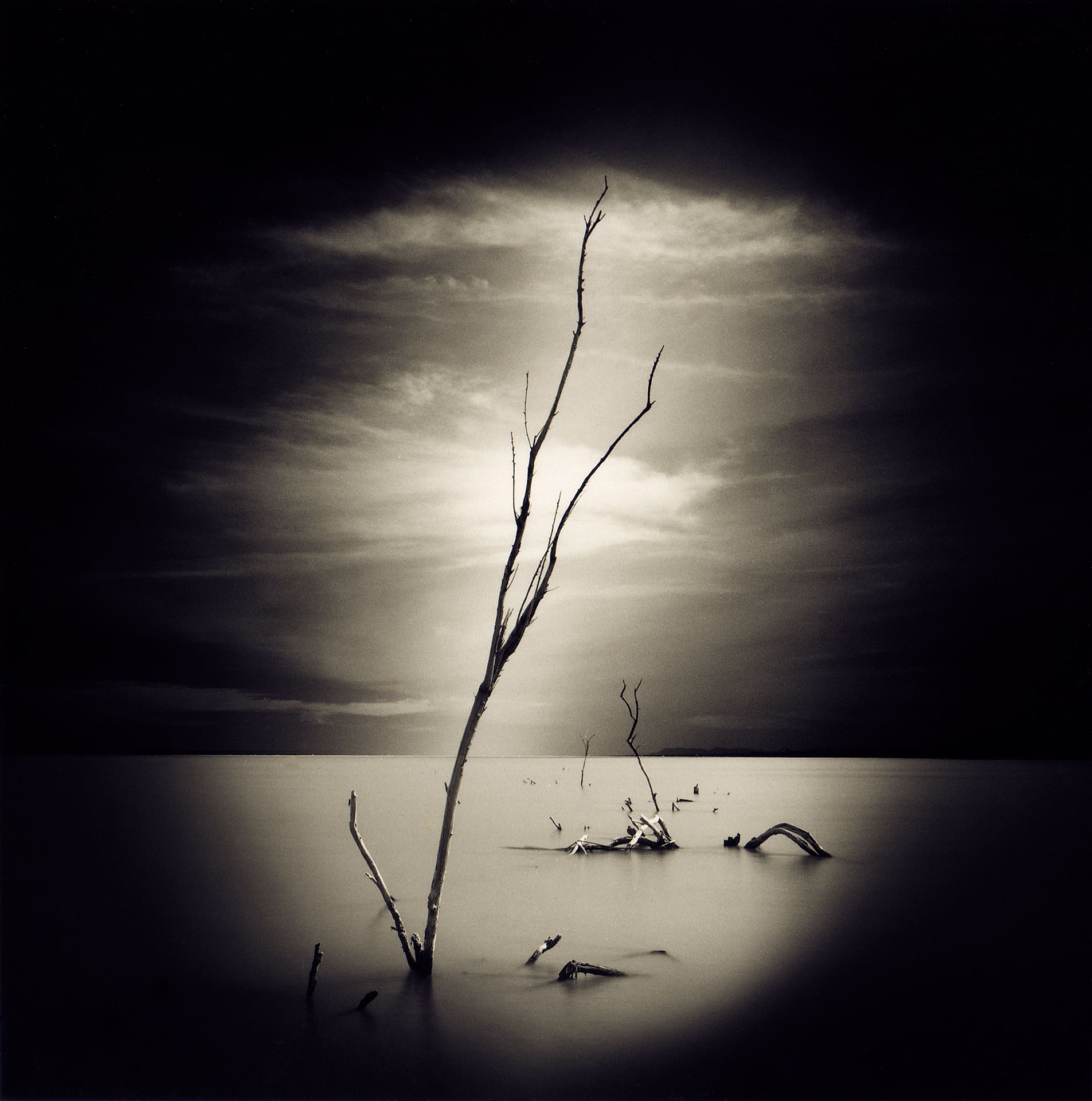
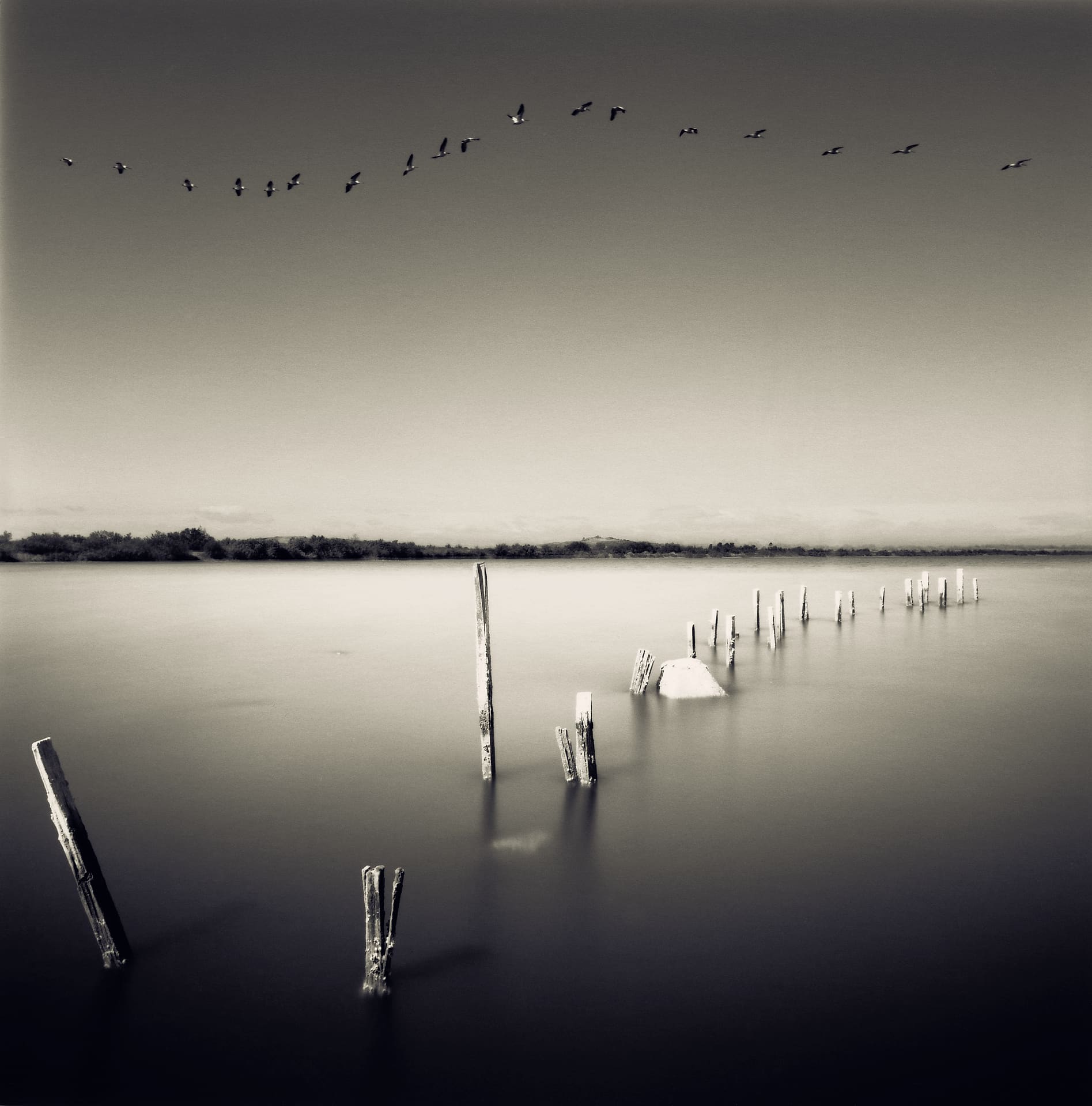
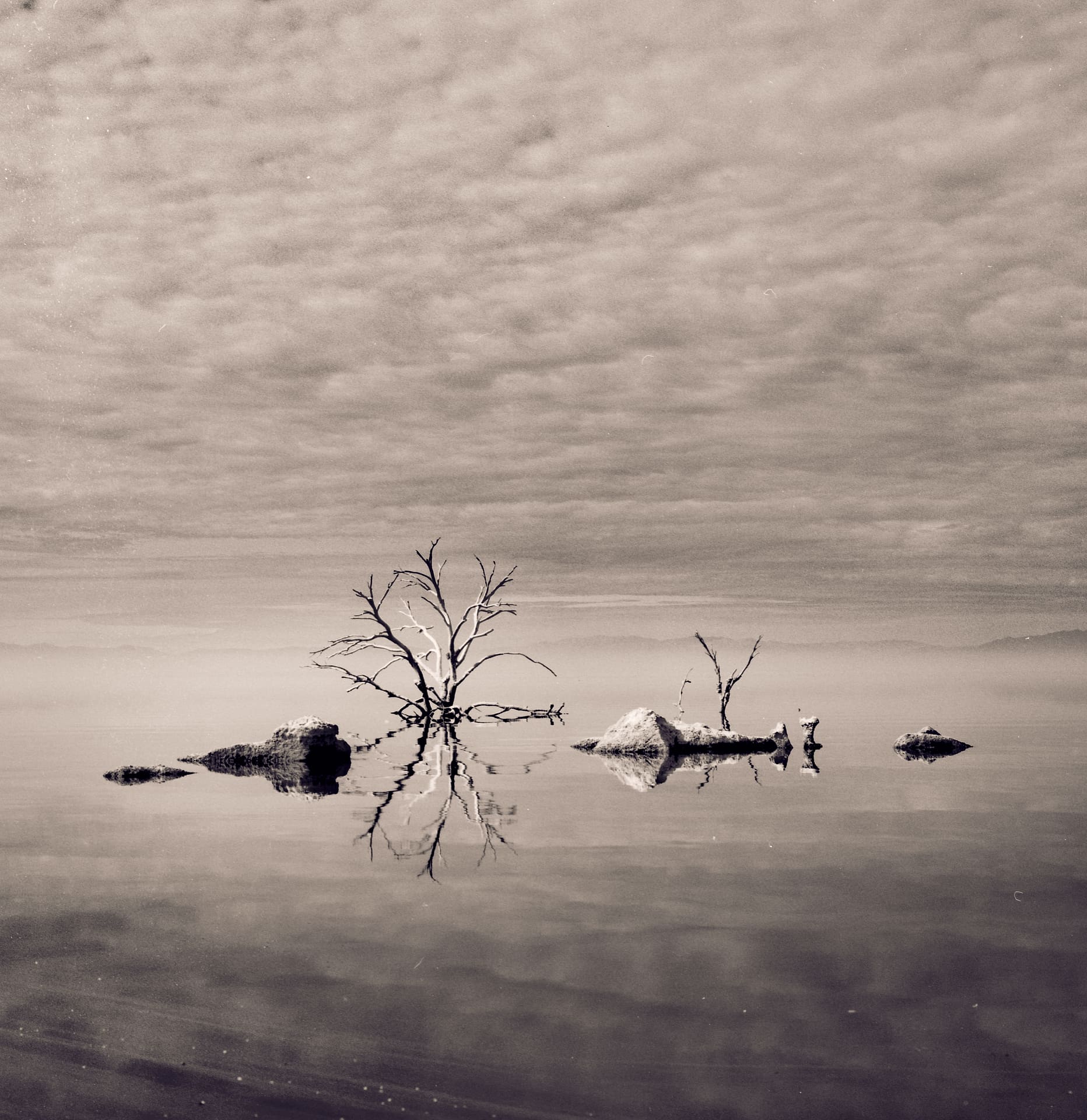
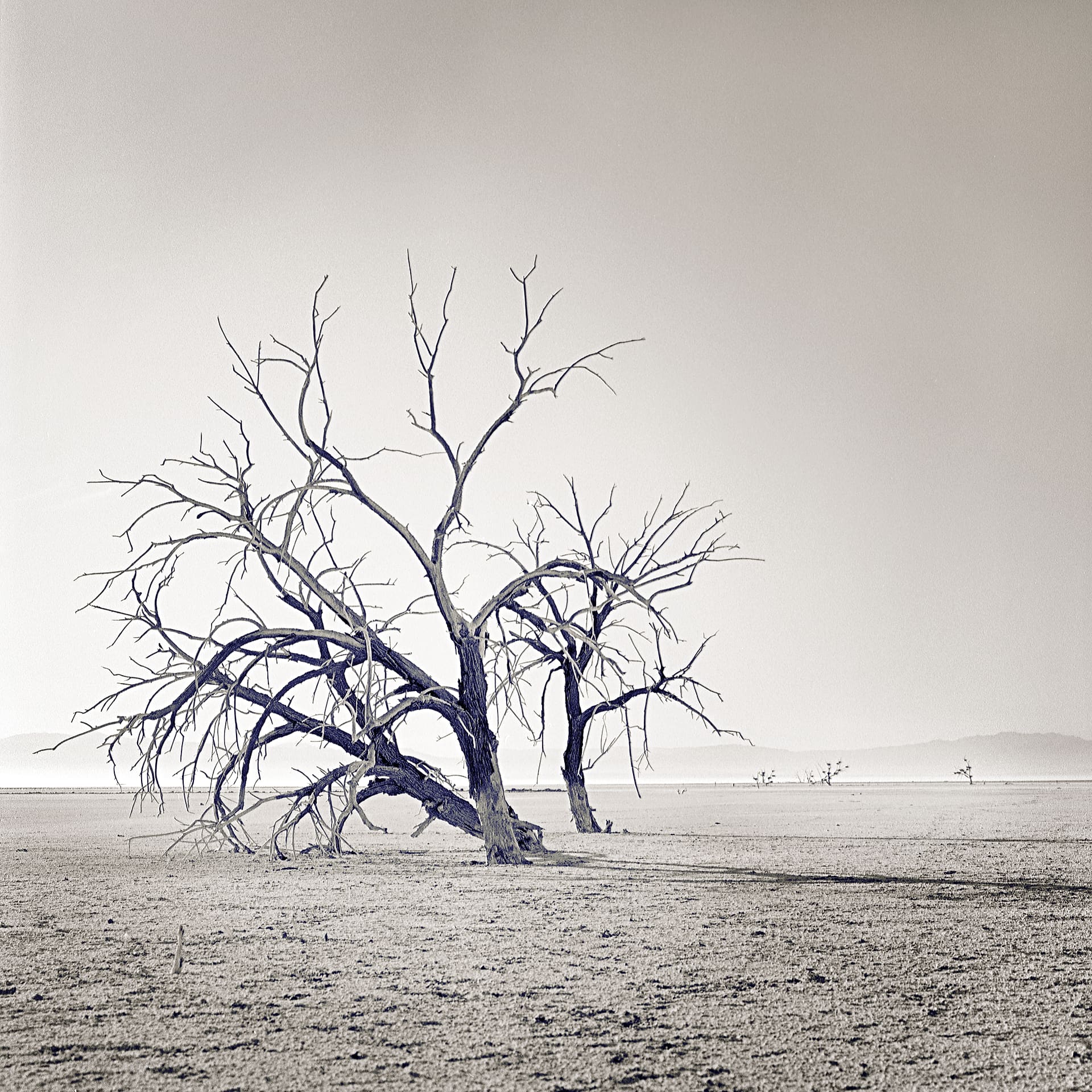
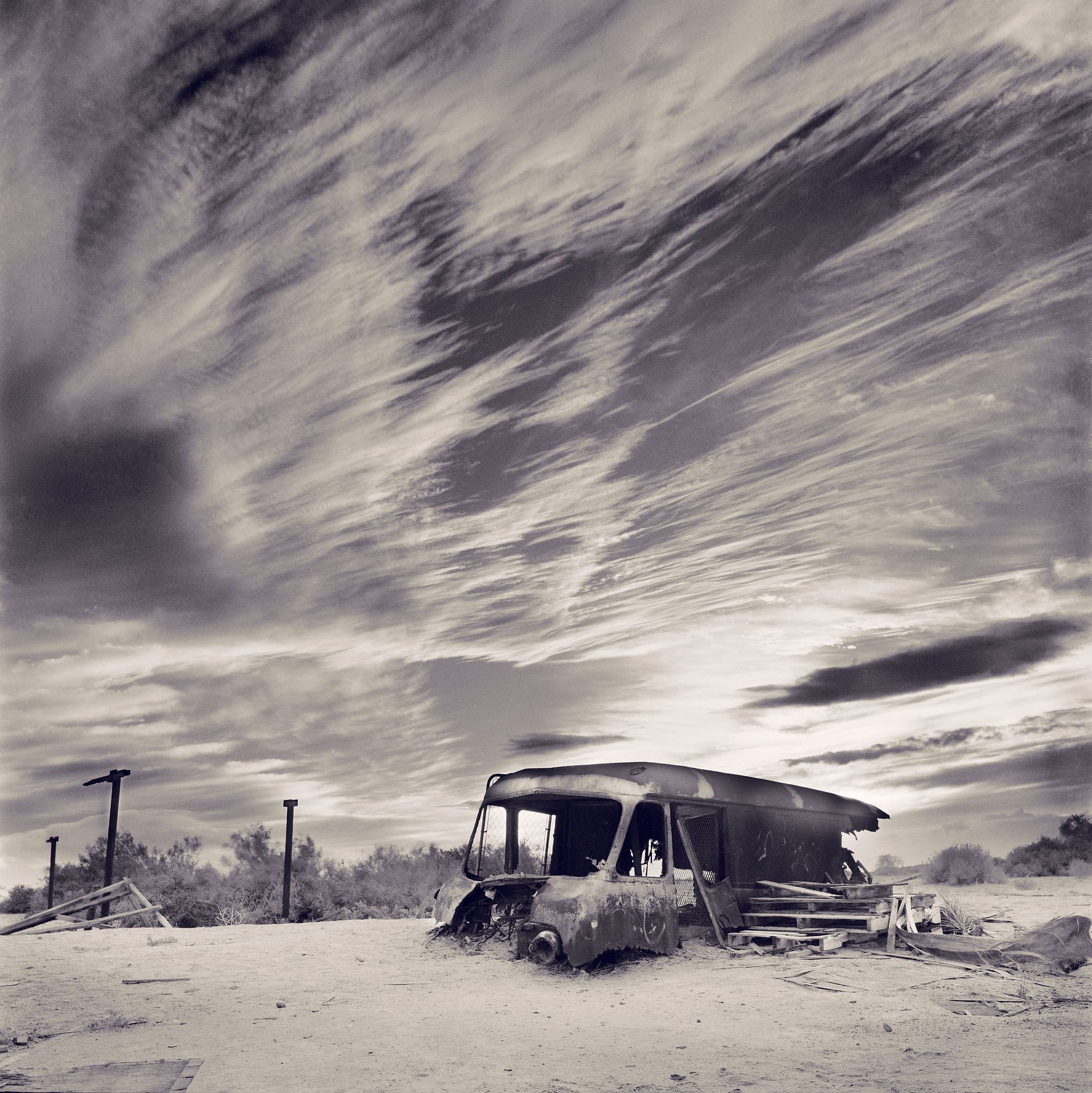
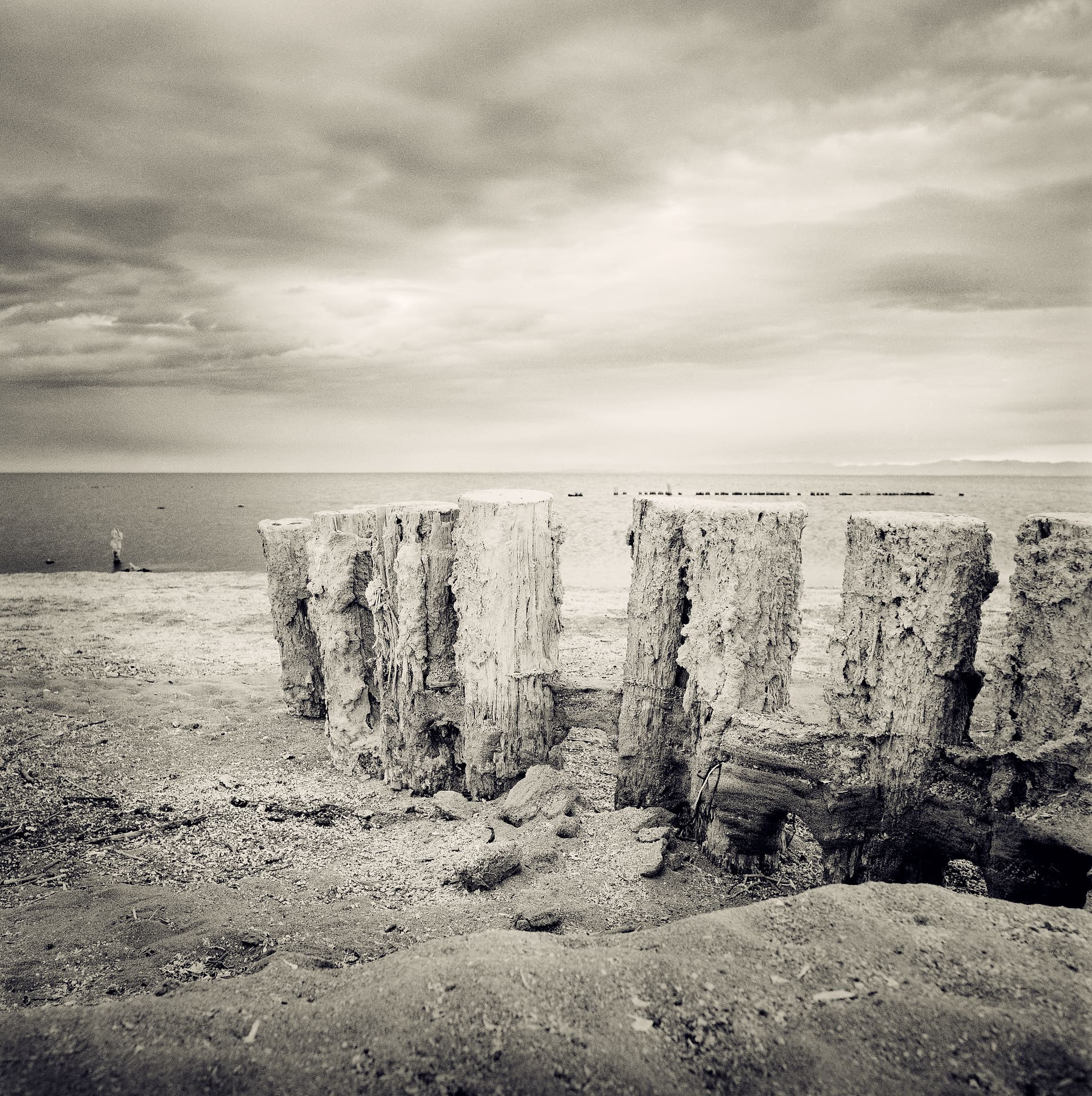
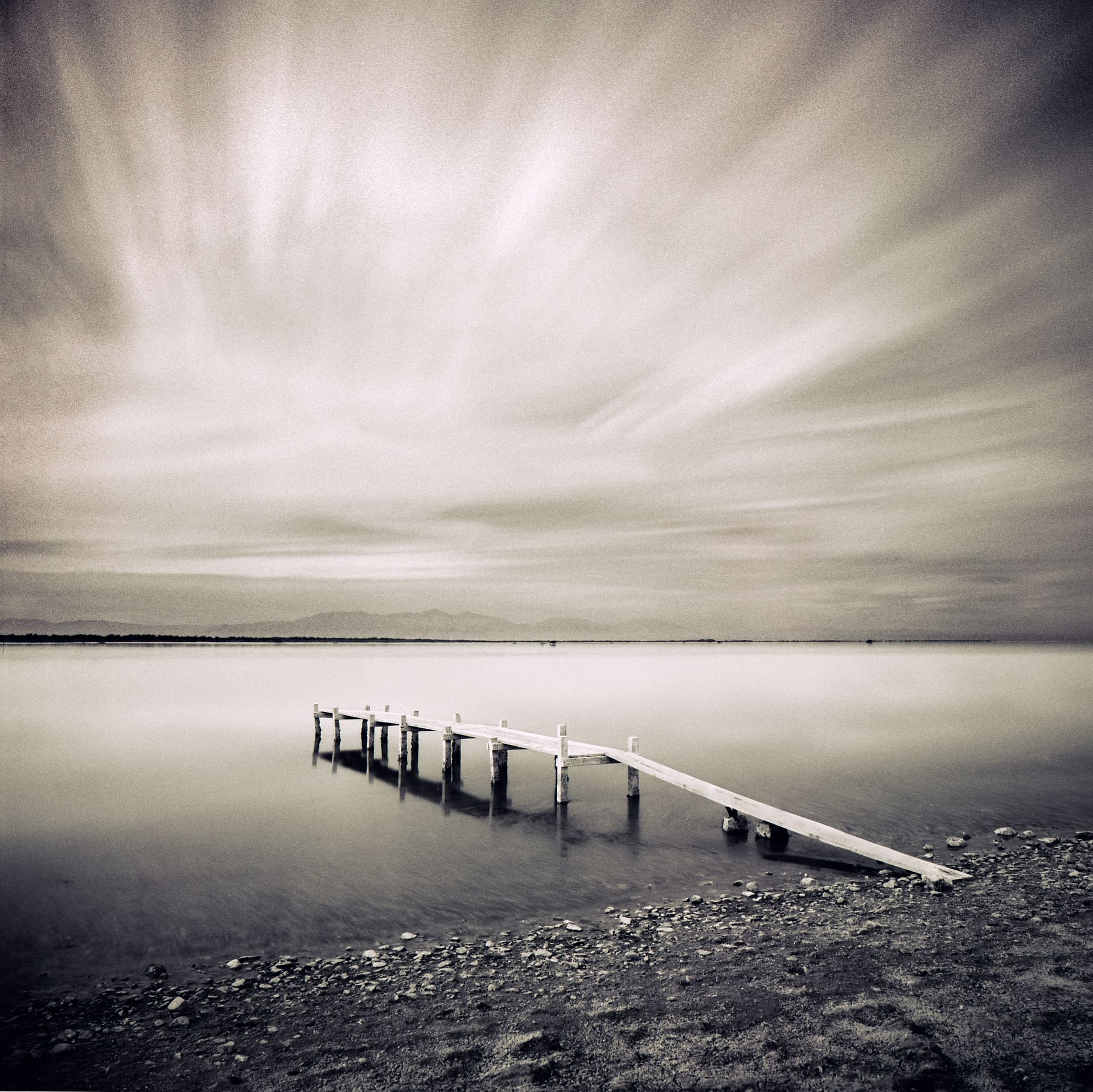
As a photographer, I have found the imagery of the Salton Sea to be undeniably captivating and awe-inspiring. In this way, it is inspiration to me to view the history of the Sea as nature’s ability to cleanse itself of the consumer pollution our society imposes on its natural resources. With this in mind, each of my photographs becomes a personal representation of the Sea’s triumph over what was built on it.
Since I made these photographs the sea has gone on receding, well past the buildings in them, and the bed it has left behind has become a problem for the people who have made their home along its shore. Another imposition is now taking shape. Beneath the southern end of the sea lies one of the largest lithium deposits in the world, and the shoreline it has abandoned is being planned as an industrial site again — this time not for tourism but for extraction. How that plays out remains to be seen.
Photographed 2004–2012.